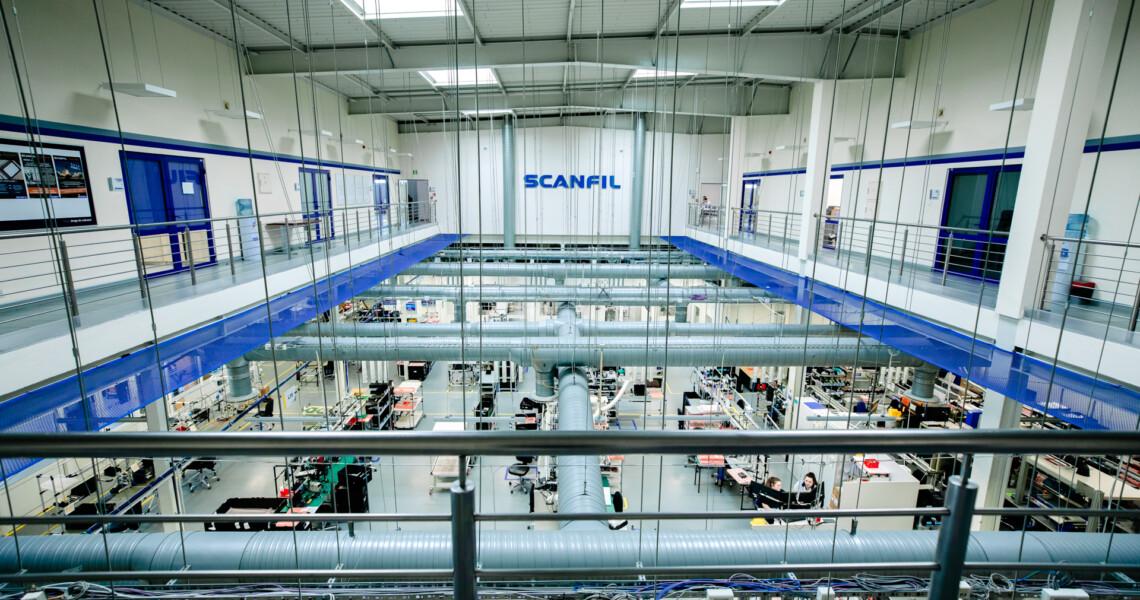
In 2025, Scanfil strengthened environmental sustainability performance in line with ESRS E1 (Climate change) and ESRS E5 (Resource use and circular economy). Sustainability is embedded across operations, supply chain and customer offering, improving efficiency while reducing environmental impact.
Targets Achieved Ahead of Schedule
Several environmental targets were achieved ahead of schedule:
- Scope 1 and 2 GHG emissions reduced by 69% by 2025, surpassing the 2030 target of 59.6% (2020 baseline)
- Scope 3 GHG emissions reduced by 32%, exceeding the 25% reduction target for 2030 (2022 baseline)
- Renewable electricity sourcing increased to 75% (23% in baseline 2020), and total renewable energy reached 60% (28% in baseline 2020)
Excellent Progress in Climate Action in Our Own Operations
Scanfil reduced GHG emissions and increased renewable energy use according to its SBTi-aligned climate strategy covering Scopes 1–3.
Additional key achievements in own operations in 2025 included:
- Further development of product-level carbon footprint capabilities
- Greater focus on low-carbon employee mobility, including hybrid and electric vehicle policies
- Completion of Scanfil’s first climate scenario analysis to support site-level climate change mitigation and adaptation planning.
Emissions Reduction Actions in the Value Chain
Scanfil focused on improving actions to reduce indirect emissions, especially Scope 3, Category 1 (purchased goods and services), by enhancing the integration of GHG data into ERP systems to support measurement, supplier comparison and future climate-informed procurement decisions.
The company also reduced emissions from business travel through improved tracking, transportation initiatives and greater use of virtual collaboration tools.
Resource Efficiency and Waste Reduction
Scanfil focuses on efficient resource use, waste reduction and recycling, supported by its environmental policy and transparent site-level waste reporting.
Looking Ahead: Sustainability Goals and Climate Action Plans
Scanfil’s next steps include revalidating short-term SBTi targets and setting long-term SBTi targets, expanding product carbon footprint reporting, increasing renewable energy sourcing, and developing site-level climate action plans. Work on waste reduction and global waste-related targets continues.
For full details, see Scanfil’s Sustainability Statement.